Table of contents
- 1. The Strategic Location of the Kulma Border Crossing
- 2. Regional Cooperation and Transit Connections
- 3. Main Freight Transport Options Through the Kulma Route
- Road Freight
- Multimodal Transport
- 4. Operational Challenges and Risk Management at Kulma
- Weather and Seasonal Conditions
- Customs Procedures and Shipping Documents
- Weight, Dimensions, and Special Cargo Requirements
- Route and Border Verification
- 5. Practical Recommendations for Importers
- Conclusion
Tajikistan’s Transit Corridors: The Role of the Kulma Border Crossing in International Trade
International freight transport and regional logistics play a vital role in connecting Central Asian economies with global markets. Tajikistan’s landlocked location and mountainous terrain make the country highly dependent on transit corridors and cross-border routes. Developing its transport infrastructure and international trade links—particularly with China, Russia, and other regional markets—requires careful route planning, accurate customs documentation, and coordination with the relevant authorities.
Within this logistics network, the Kulma–Karasu border crossing serves as a road connection between Tajikistan and China. It provides an important route for the movement of commercial goods and supplies between the two countries. According to the Eurasian Development Bank (EDB), Kulma and Karasu are the names used for the crossing on the Tajik and Chinese sides, respectively. The crossing opened in 2014.
This article examines the strategic importance of the Kulma border crossing, its role in Tajikistan’s transit corridors, available freight transport options, and the practical considerations importers should address when planning shipments through this route.
1. The Strategic Location of the Kulma Border Crossing
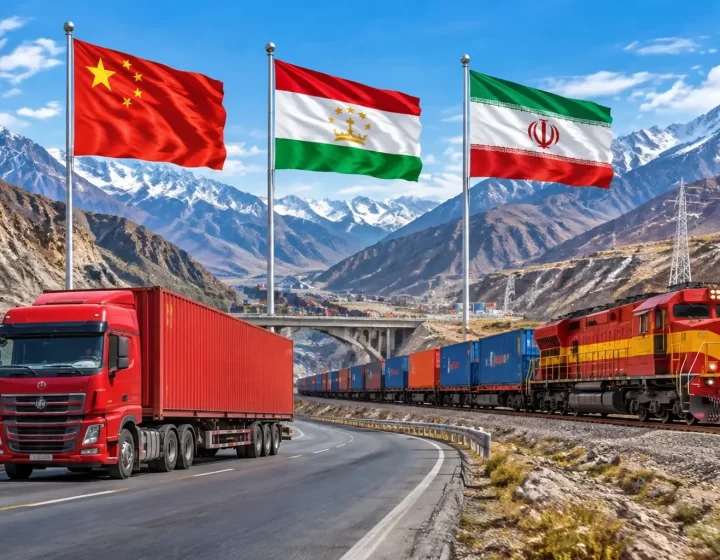
The Kulma–Karasu crossing is located on the border between Tajikistan and China’s Xinjiang Uyghur Autonomous Region. It is an important road link between the two countries and forms part of the broader transport network connecting China with Central Asia.
For importers and logistics providers, the route can offer a direct land connection between relevant locations in China and destinations in Tajikistan. However, the suitability of the crossing depends on factors such as the cargo’s origin and destination, road conditions, border procedures, vehicle availability, seasonal conditions, and the requirements applicable to the specific shipment.
The EDB’s overview of Central Asia’s transport links with China lists Kulma–Karasu as a road border-crossing point between Tajikistan and China. This makes it useful to consider the crossing as one element within a wider regional logistics network—not as a route that operates independently of other roads, border facilities, and transport services.
2. Regional Cooperation and Transit Connections
Tajikistan’s transit development is closely connected to regional cooperation. Freight moving through the country may depend on transport links, border procedures, and logistics services in several countries. For this reason, businesses planning cross-border shipments should consider the complete route rather than focusing only on the point of entry into Tajikistan.
Cooperation between Tajikistan and Russia is also relevant to the wider transport landscape. In October 2025, Avesta reported that Tajikistan and Russia had approved a transport-cooperation roadmap for 2025–2030. The reported areas of cooperation included road and rail freight, multimodal transport, logistics, and border procedures. Businesses should consult the relevant authorities and current official guidance to confirm which arrangements apply to a particular shipment.
Useful sources for researching regional transport and logistics developments include:
- Eurasian Development Bank (EDB): Central Asia’s Transport Links with China
- Central Asia Regional Economic Cooperation (CAREC) Program
- Avesta: Tajikistan and Russia approve a transport-cooperation roadmap through 2030
3. Main Freight Transport Options Through the Kulma Route
The most suitable transport method for a shipment to Tajikistan depends on its cargo type, dimensions, weight, value, delivery requirements, and origin. A freight forwarder can assess the route and propose a transport plan based on the shipment’s specific needs.
Road Freight
Road freight is a practical option for moving goods between China and Tajikistan via the Kulma–Karasu crossing. Depending on the service and route, it may offer flexibility for deliveries to destinations such as Dushanbe or Khujand. Before dispatch, shippers should confirm the route, border requirements, vehicle suitability, transit arrangements, and the documents required for the cargo.
Road transport may also support door-to-door delivery when the transport provider can coordinate collection, border transit, customs-related arrangements, and final delivery. The exact service scope should be confirmed in writing before the shipment is booked.
Multimodal Transport
Multimodal transport combines two or more modes—such as rail and road—to move cargo from origin to destination. It may be considered for larger or heavier shipments, or where a combination of transport modes is more suitable for the route and cargo requirements.
When comparing a multimodal option with road-only transport, businesses should review the full itinerary, transfer points, handling requirements, documentation, insurance arrangements, and responsibility for each stage of the journey. A logistics provider such as Bisan Tarabar can help coordinate international freight services and shipment documentation, subject to the route and service availability.
4. Operational Challenges and Risk Management at Kulma
Transport through a mountainous border region requires careful preparation. The following considerations should be reviewed before cargo is loaded and dispatched:
Weather and Seasonal Conditions
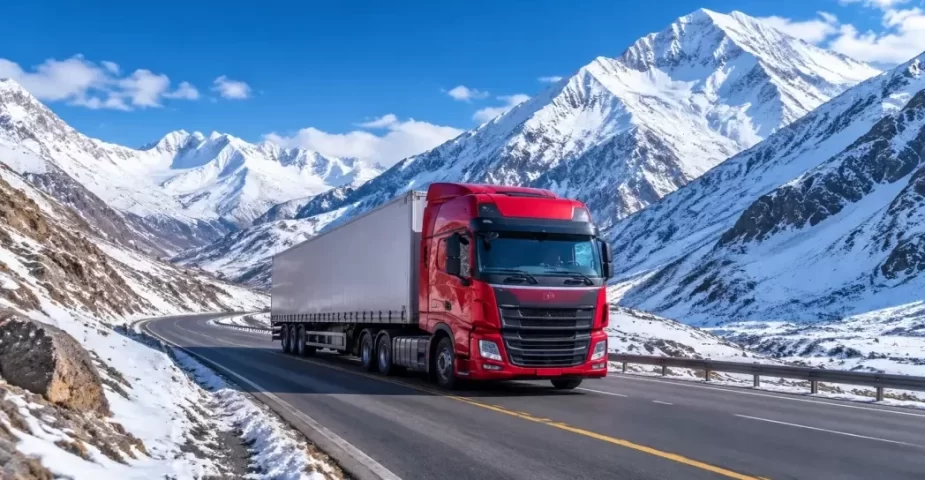
Mountain weather can affect road conditions and transport schedules. Before dispatch, shippers should check the latest information on route conditions, border operations, and any restrictions that may affect the planned journey. Avoid relying on unverified or outdated estimates for crossing availability or transit time.
Customs Procedures and Shipping Documents
Incomplete or inconsistent paperwork can delay a shipment. Depending on the goods and applicable rules, the required documents may include a commercial invoice, packing list, certificate of origin, transport document, permits, or product-specific certificates. Importers should confirm the requirements with their customs broker, carrier, or relevant authorities before the goods leave the point of origin.
Weight, Dimensions, and Special Cargo Requirements
Oversized, overweight, hazardous, or otherwise regulated cargo may require special equipment, permits, route checks, or handling arrangements. These requirements should be confirmed before booking, especially when the shipment will travel on mountain roads or pass through border facilities with operational limitations.
Route and Border Verification
Border operations, road access, and transit procedures can change. Businesses should verify the current status of the crossing and the requirements for their specific cargo before dispatch. The EDB source confirms Kulma–Karasu as a road crossing between Tajikistan and China, but it should not be treated as a live source for daily operating status, schedules, or shipment-specific approvals.
5. Practical Recommendations for Importers
Planning a shipment through the Kulma border crossing begins with matching the route to the cargo. Importers can reduce avoidable delays and costs by taking the following steps:
- Confirm the shipment details: Provide accurate information about the cargo’s nature, dimensions, weight, packaging, value, and destination.
- Check the route before loading: Verify the current border, road, and transport conditions with the carrier or logistics provider.
- Prepare documents in advance: Check that invoices, packing lists, certificates, permits, and transport documents are complete and consistent.
- Choose a suitable transport method: Compare road and multimodal options against the shipment’s delivery requirements and handling needs.
- Clarify responsibilities and costs: Confirm who is responsible for each transport stage, customs-related coordination, insurance, and final delivery.
- Agree on delivery terms: Use the appropriate Incoterms® 2020 rule and make sure the parties understand where responsibilities and costs transfer.
Conclusion
The Kulma–Karasu border crossing is an important road link between China and Tajikistan and a relevant part of the country’s wider transit network. It can support the movement of commercial cargo, but the success of a shipment depends on more than the crossing itself. Route suitability, current operating conditions, documentation, cargo characteristics, customs requirements, and coordination among transport providers all need to be considered.
For importers, careful planning before loading is essential. Verify current route and border information, prepare the required documents, select a transport method suited to the cargo, and clearly define responsibilities under the agreed delivery terms. These steps can help businesses manage risks and plan international freight movements to Tajikistan more effectively.